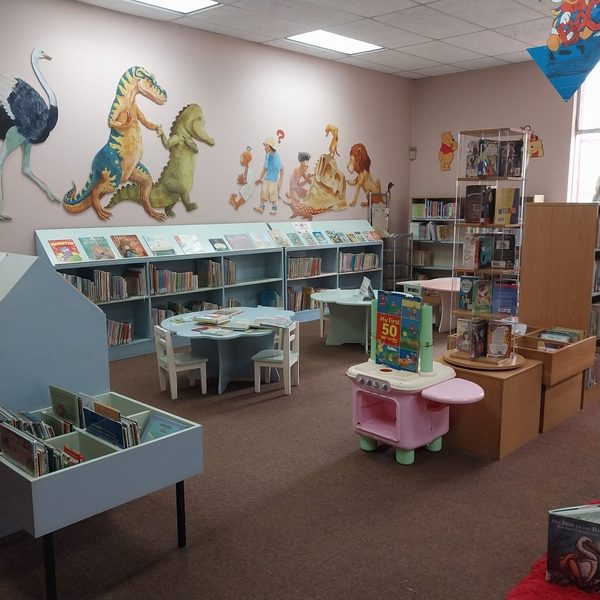
Literacy Project - Global Grant School Libraries Score with a Global Grant Global Grant #1527314 was recently awarded by The Rotary Foundation to the The Rotary Club of Waterfront for their School Libraries Development Project. The process for securing the above Global Grant (GG) started in 2014. During 2015 this complex process continued requiring considerable work from five RC Waterfront Members. We battled to garner sufficient support from Rotary Clubs, companies and individuals to cover the minimum seed fund of US$ 15 000, and to gather the available District Designated Funds (DDF) contributions. Each funding source required official authorization, and many corrections and updates were necessary. On 6 June 2015 the GG Application was submitted to The Rotary Foundation (TRF). However a further delay ensued when TRF insisted on copies of signed MOU's from all the projectâs ten schools, plus a written endorsement from the Western Cape Education Department which took 2 months to procure. On 1 September 2015 the GG Application was finally approved by TRF for US$ 57 429. The final contributing Clubs were: Waterfront Rotary Club, Sunrise Rotary Club of Alturas, New Brunswick Rotary Club, New Jersey Rotary Club and Etobicoke Rotary Club. But before the grant payment could be made it was necessary to :- (i) Arrange the Project Bank Account (ii) Get authorization of the GG legal document, and (iii) Confirm the cash contribution. This also proved to be a slow process. The Global Grant funds were finally received by RC Waterfront in March 2016 allowing the Project to commence.
Read more →